In recent years, there has been a global shift in how governments, veterinarians, and ethical breeders view companion animal breeding. The focus is slowly but firmly moving away from aesthetics and novelty, and back toward what truly matters: long-term health, sound structure, and quality of life.
This shift has led to some uncomfortable but necessary conversations, particularly around breeds that have been deliberately developed to display physical traits that compromise welfare.
The Netherlands has now taken one of the strongest stances in the world, implementing sweeping bans on certain cat breeds due to well-documented health concerns. These decisions are not emotional, reactionary, or trend-driven. They are based on decades of veterinary evidence and animal welfare research.
And while Australia has not yet followed with the same level of legislation, it does not mean that they wont in the future.
As breeders, owners, and lovers of cats, we need to be willing to look honestly at where the line sits between “distinctive” and “damaging”.
The Netherlands’ Position: Welfare First, Always
Since 2014, the Dutch government has prohibited the breeding of animals with inherited physical traits that are known to cause pain, chronic illness, or reduced quality of life. This includes several dog breeds but more recently, attention has turned firmly toward cats.
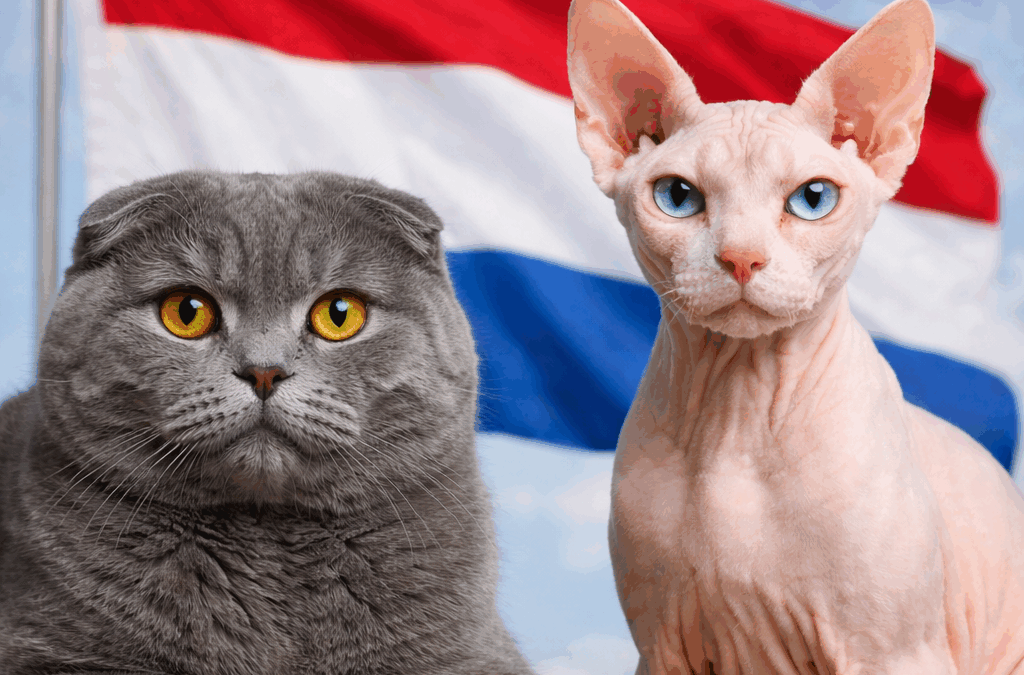
Two breeds in particular have been highlighted: Scottish Folds and Sphynx cats.
The decision was not made lightly. It followed years of scientific review, veterinary consensus, and welfare assessments that concluded these breeds carry structural defects that are inseparable from their appearance. In other words, the traits people find “cute” or “unique” are the very traits causing suffering.
From 1 January 2026, the Netherlands will extend this stance further by banning not just the breeding of these cats, but also the keeping of them as pets, with limited transitional exceptions for current owners.
What the Ban Actually Means
To be clear, this is not about punishing owners who already love and care for these cats. The Dutch framework includes transitional protections, but it draws a very firm line in the sand moving forward.
Key points include:
- Breeding Scottish Fold and Sphynx cats has been illegal in the Netherlands for over a decade
- From January 1, 2026, new ownership of these breeds will no longer be permitted
- Cats already owned prior to the cutoff date may remain with their families for life
- These existing cats must be microchipped before the deadline to prove lawful ownership
- Transitional cats may not be bred, sold, shown, or exhibited after the ban comes into force
- Any cat born after January 1, 2026, that falls under the ban is illegal to keep
- Breaches can result in fines of up to €1,500 per offence
Enforcement falls to animal welfare authorities and law enforcement, reinforcing that this is not symbolic legislation, it has teeth.
The goal is simple: to phase out hereditary defects that cause suffering, not to vilify owners or shame past decisions.
Why Scottish Folds Are at the Centre of the Debate in the Netherlands
Scottish Fold cats are instantly recognisable by their folded ears. What many people do not realise is that these ears are not a harmless quirk, they are the visible sign of a serious genetic disorder.
The folded ear is caused by a mutation that affects cartilage development throughout the entire body. This condition is known as osteochondrodysplasia, and it does not stop at the ears.
Cats with this mutation often develop:
- Early-onset arthritis
- Painful joint deformities
- Stiffness and reduced mobility
- Reluctance to jump or play
- Progressive chronic pain that worsens with age
Even when Scottish Folds appear “fine” as kittens, the damage is already written into their genetics. There is no ethical way to breed folded ears without also breeding joint disease.
This is why many veterinary bodies worldwide, not just in Europe, have long opposed the continuation of this breed.
Sphynx Cats: When Hairlessness Isn’t Harmless
Sphynx cats are often described as affectionate, people-oriented, and unique. And while many individual Sphynx cats are deeply loved by their owners, affection does not cancel out physiology.
The Sphynx’s lack of a functional coat, and often the absence of whiskers, is not simply cosmetic.
Cats rely on their fur and whiskers for far more than warmth or looks. These features play a vital role in:
- Temperature regulation
- Skin protection
- Sensory perception
- Environmental awareness and navigation
- Communication and stress regulation
Without these natural tools, Sphynx cats are significantly more vulnerable to:
- Difficulty maintaining body temperature
- Increased risk of skin infections
- Sunburn and skin damage
- Sensory impairment due to missing whiskers
- Ongoing dermatological issues requiring lifelong management
The Netherlands stance is that Sphynx cats are born at a disadvantage, one that exists solely because humans find the look appealing.
The Bigger Picture: A Global Welfare Shift
The Netherlands is not acting in isolation. Across Europe and beyond, there is increasing recognition that not all breeds should continue simply because they exist.
Animal welfare science has advanced. We now understand far more about pain, mobility, stress, and quality of life than we did decades ago. With that knowledge comes responsibility.
This mirrors similar conversations already happening in the dog world, where exaggerated features have led to breathing disorders, spinal deformities, and shortened lifespans.
Cats are no longer exempt from that scrutiny, and rightly so.
Where Does Australia Stand?
Australia has not yet introduced any bans on Scottish Fold or Sphynx cats. However, that does not mean we are immune to the same ethical concerns.
In fact, Australia banned the importation of Bengal cats in early 2025 due to their non-domestic heritage dating back to the conception of the breed.
What this demonstrates is that Australia is not opposed to regulating cat.
Ethical Breeding vs Aesthetic Breeding
There is a crucial distinction that often gets lost in these discussions.
Ethical breeding is not about producing the most extreme or eye-catching version of a cat. It is about:
- Sound skeletal structure
- Clear genetic health testing
- Longevity and mobility
- Natural function
- Mental and physical wellbeing
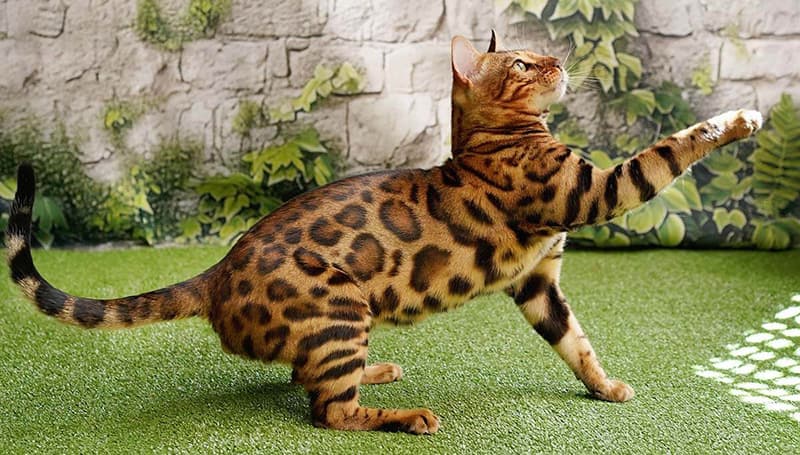
Breeds like the Bengal, when bred responsibly, are a strong example of how beauty and function can exist side by side. The Bengal, when bred with quality pedigree lines has remained largely untouched by the human urge to reshape a breed for novelty or fashion.
Strong bone, athletic movement, a fully functional coat, and normal brain function are all part of the standard, not afterthoughts. Their skull structure has not been altered to chase a prettier look, and it still comfortably accommodates the size of the brain it was designed to hold. This stands in stark contrast to breeds such as the Cavalier King Charles Spaniel, where decades of prioritising a sweet head shape over a functional one have resulted in devastating neurological issues. In ethical breeding, clear genetic screening, sound structure, and long term wellbeing are not optional extras. They are the foundation of each breed.
What This Means for Future Owners
If you are considering becoming a breeder of one of these breeds or adding a cat to your family, these global changes matter—even if you live in Australia.
They matter because:
- They shape future import and export laws
- They affect veterinary guidance and insurance coverage
- They reflect a growing expectation of informed ownership
Choosing a breed should never be about trends. It should be about suitability, health, and the ability to live a full, comfortable life.